Base Metals in Q4 and 2025: What Is the Outlook for Q1 2026 and Beyond?

Jan 21, 2026
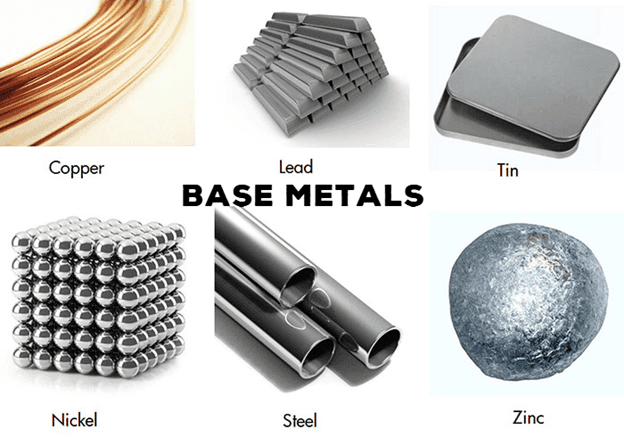
The base metals sector gained 10.47% in Q4. The basket of futures contracts including copper, aluminum, nickel, lead, zinc, and tin traded on the London Metal Exchange (LME) all rose during Q4 and throughout 2025, posting a total gain of 19.12% for the year.
In my Q3 base metals report on Barchart, I concluded the following:
Base metals have maintained a bullish trend since the pandemic lows of 2020. Elevated inflation has increased production costs, providing a price floor as the market moved into Q4 and toward 2026.
U.S. trade tariffs and China’s economic conditions remain the two most important factors determining price direction for copper, aluminum, nickel, lead, zinc, and tin. LME inventory levels must be closely monitored for signals on underlying supply and demand.
I remain bullish on base metals, but under current conditions, new or additional long positions should only be considered on price pullbacks. The sharp volatility seen in COMEX copper futures in recent months could become a template for the entire metals complex in Q4 and 2026.
Base Metals Enter 2026 in an Uptrend
Copper posted particularly strong gains, with long-dated contracts outperforming nearby futures in Q4. Copper on the LME significantly outperformed COMEX copper during Q4, rising 20.98% versus 17%, respectively.
Quarterly charts show that three-month copper futures on the LME surged 41.69% in 2025, settling at USD 12,423 per metric ton on December 31, 2025. Meanwhile, continuous COMEX copper futures rose 41.12% in 2025, closing at USD 5.6820 per pound on the same date.
Copper on both the LME and COMEX recorded the strongest gains among base metals in Q4 and all of 2025, with both nearby and deferred contracts reaching new all-time highs during the year. As of January 20, 2026, copper prices on both exchanges were trading above their 2025 year-end levels, establishing fresh record highs early in 2026.
LME Inventory Trends in 2025
The London Metal Exchange is the world’s primary trading hub for base metals, offering three-month futures contracts and daily settlement mechanisms for copper, aluminum, nickel, lead, zinc, and tin. The LME operates a global warehouse network and publishes inventory data for all six metals.
Monitoring inventory levels is critical, as they directly reflect changes in supply-demand dynamics. Charts show that copper, aluminum, and zinc inventories on the LME declined sharply in percentage terms during 2025, while nickel and tin inventories increased. The threat of tariffs may have encouraged metal withdrawals from LME warehouses.
In the United States, COMEX copper inventories increased by 173,974 tons in Q4 2025, reaching 498,061 tons. When combining inventory changes from both the LME and COMEX, total inventories rose by a net 177,999 tons during Q4 2025. By the end of December 2025, COMEX inventories were more than 3.37 times larger than LME inventories.
Strong Gains in Deferred Aluminum and Tin Contracts
Three-month high-grade aluminum futures on the LME rose 11.75% in Q4 2025, settling at USD 2,995.50 per ton, while deferred aluminum contracts gained 17.40% for the full year.
Three-month tin futures surged 14.65% in Q4, closing at USD 40,596 per ton, and deferred tin contracts jumped 39.59% in 2025.
As of January 20, 2026, both aluminum and tin prices were trading above their 2025 year-end levels.
Deferred Contract Gains for Nickel, Lead, and Zinc
Three-month nickel futures on the LME increased 9.26% in Q4 2025, settling at USD 16,646 per ton, while deferred contracts rose 8.60% for the year.
Three-month lead futures edged up 0.88% in Q4, closing at USD 2,006 per ton, with deferred contracts gaining 2.77% in 2025. High-grade zinc rose 5.32% in Q4, settling at USD 3,117.50 per ton, and gained 4.67% for the year.
As of January 20, 2026, nickel, lead, and zinc prices were all trading above their 2025 closing levels.
Outlook for Q1 and 2026: Trade Policy and China Remain Key Drivers
Base metals enter 2026 in a sustained uptrend that began at the pandemic lows of 2020. Inflation remains above the Fed’s 2% target, the U.S. dollar and other fiat currencies are weakening, and expectations of lower interest rates are providing a supportive backdrop as the market moves into Q1 2026.
U.S. trade policy and China’s economic trajectory will continue to be the primary drivers of price direction across the base metals complex. Close attention should be paid to LME inventory levels for fundamental supply-demand signals.
I remain constructive on base metals, but advocate adding or initiating long positions only during price corrections. Be prepared for heightened volatility—those who can manage it are unlikely to be disappointed.
Source: Andrew Hecht – Compiled by SFVN
Chia sẻ


Danh Mục Bài Viết
Bài Viết Mới Nhất
Tags