Why Is Oil Struggling to Reach $100 per Barrel?

Mar 5, 2026
Despite escalating tensions in the Middle East, oil prices have not surged as dramatically as many expected. Although prices have risen roughly 30% since the conflict began, Brent crude has mostly stayed below the key psychological level of $100 per barrel.
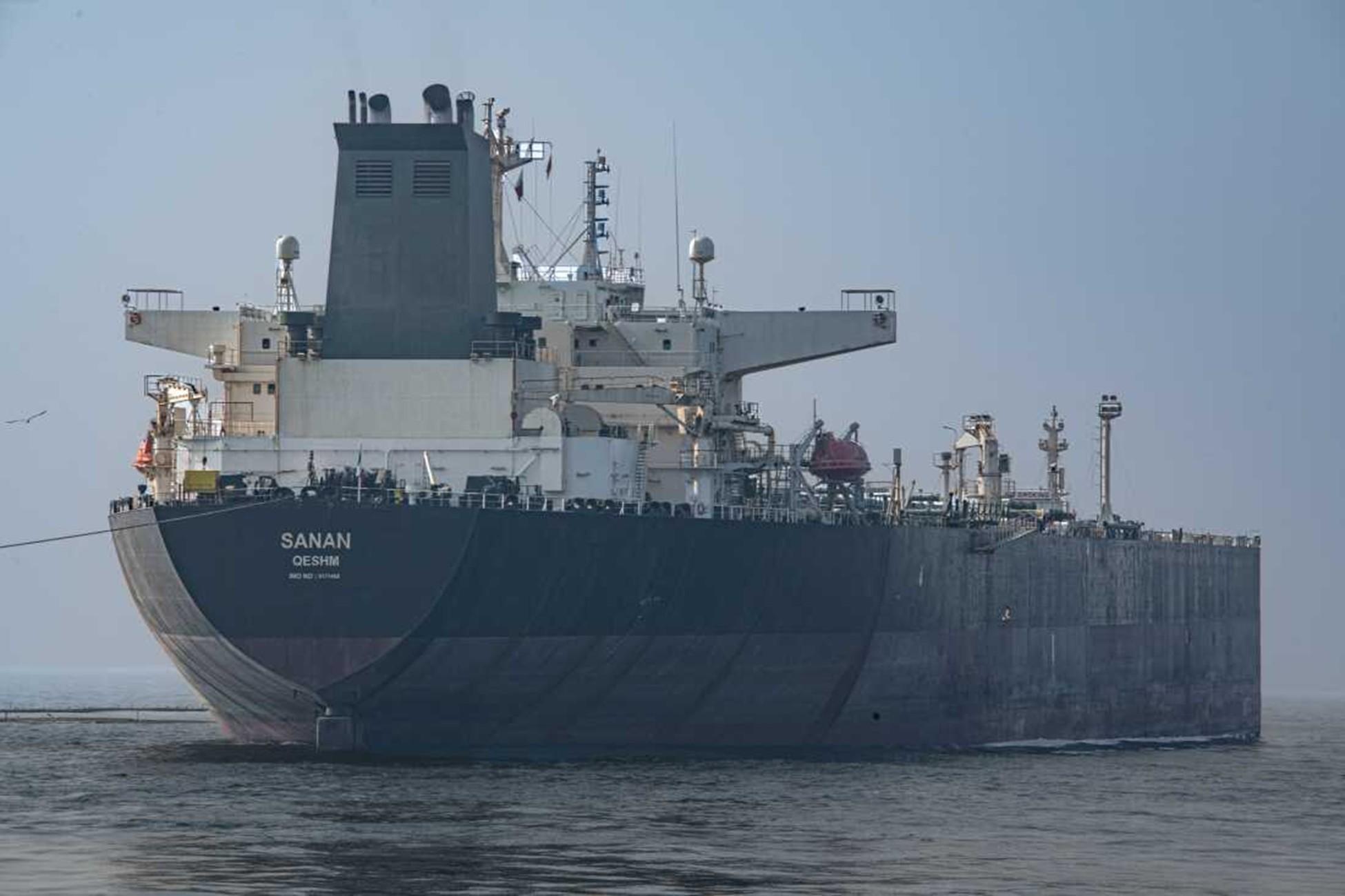
Initially, analysts warned about a worst-case scenario in which the Strait of Hormuz — a route that carries around 20% of global oil and gas supply — could be completely blocked. Some energy infrastructure in the region has indeed been attacked, forcing certain facilities in Qatar and Saudi Arabia to suspend operations and leaving many oil tankers waiting outside the Gulf due to security risks. Even so, the market reaction has remained relatively contained.
One major reason is that the global oil market structure has changed significantly compared to past crises. Developed economies now rely less on oil than in the 1970s, and supply is more diversified. The United States has become the world’s largest oil producer, while additional output from countries such as Guyana, Brazil, and Canada has also strengthened global supply.
Another factor is that traders have become more experienced in dealing with disruptions after the COVID-19 pandemic and the 2022 Russia-Ukraine conflict. Energy markets have learned how to reroute shipments, find alternative supply chains, and adapt to temporary shocks, which has helped reduce panic reactions.
In addition, global inventories and alternative supply sources provide a buffer. Large stockpiles in countries such as China, oil stored on tankers, and potential policy actions — including possible releases from the U.S. Strategic Petroleum Reserve — all help limit price spikes.
For oil to break above $100 per barrel, analysts believe the key variable is how long supply disruptions last. If the Strait of Hormuz remains restricted for an extended period or production cuts become severe, the market could quickly tighten. Otherwise,
Share


Article Categories
Latest Articles
Tags